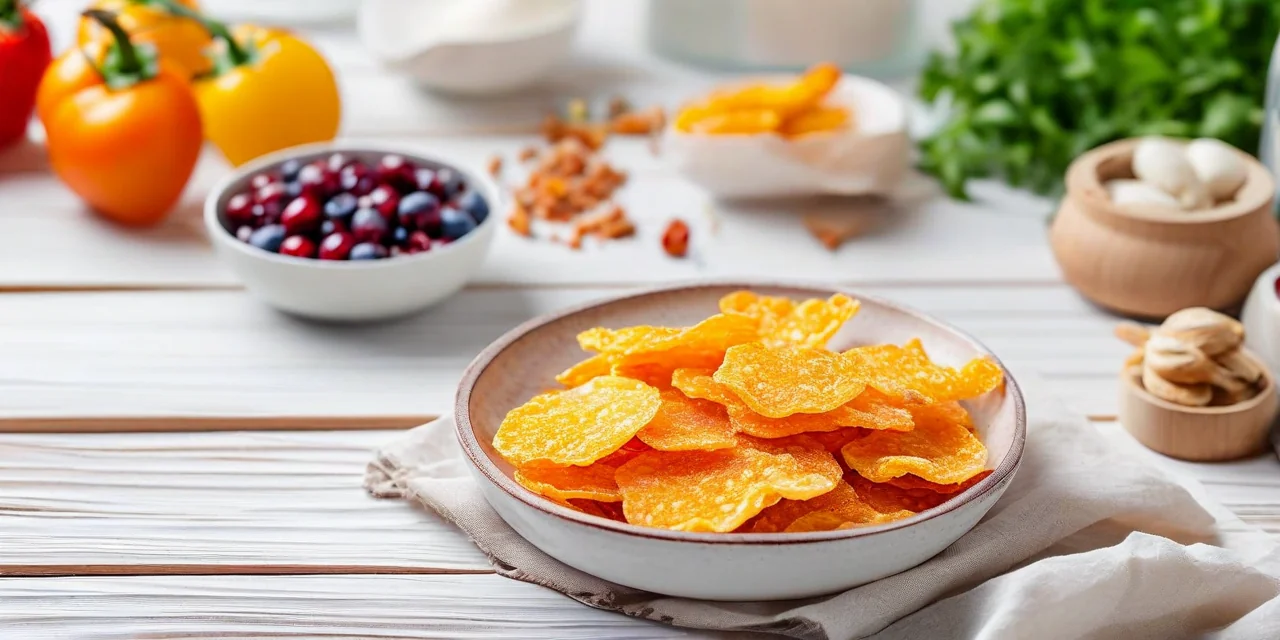
What to Freeze-Dry First: Best Foods for Beginners
Starting your freeze-drying journey can feel overwhelming when you open that machine for the first time. With the ability to preserve nearly anything, how do you know which foods to freeze-dry first? The answer matters more than you might think—choosing the right beginner foods builds your confidence, teaches you how your machine operates, and delivers impressive results that keep you motivated to continue.
After years of helping new freeze-drying enthusiasts find their footing, I’ve identified specific foods that consistently produce excellent results for beginners while teaching fundamental skills. This guide covers the best foods for freeze-drying beginners, including fruits, vegetables, dairy products, and complete meals that require minimal preparation and offer high success rates. You’ll learn why certain foods work better than others, what to expect during your first batches, and how to avoid the common mistakes that frustrate newcomers.
The foods you choose for your first 5-10 batches will shape your entire freeze-drying experience. Select wisely, and you’ll quickly master temperature settings, tray loading techniques, and dryness testing. Choose poorly, and you might waste expensive ingredients while questioning whether freeze-drying is right for you. Let’s make sure you start strong.
Why Does Your First Batch Matter So Much?
Your initial freeze-drying experiences create the foundation for everything that follows. When beginners start with challenging foods—thick meats, high-fat items, or delicate herbs—they often encounter problems that have nothing to do with their skill level. These foods require precise techniques that take time to develop.
The ideal beginner food shares several characteristics. It should have high water content, which allows the freeze-drying process to work efficiently and produce dramatic, visible results. The food should require minimal preparation, reducing the variables that could affect your outcome. Most importantly, it should be forgiving of slight errors in timing or temperature.
Think of your first batches as training sessions. You’re not just preserving food—you’re learning how your specific machine behaves, how long different foods take, and what properly dried food looks and feels like. Starting with forgiving foods lets you focus on these fundamentals without the pressure of rescuing an expensive batch of prime beef.
What Fruits Should Beginners Freeze-Dry First?
Fruits represent the perfect starting point for nearly every freeze-drying beginner. Their high water content, natural sweetness, and vibrant colors make the transformation from fresh to freeze-dried genuinely exciting. When you pull your first tray of perfectly dried strawberries from the machine, you’ll understand why so many people become passionate about this preservation method.
Bananas deserve the top spot on your beginner list. Slice them into quarter-inch rounds, arrange them on your trays without overlapping, and let your machine work its magic. The result? Crispy, sweet chips that taste like concentrated banana flavor. Children love them, they store for decades, and the process teaches you proper slice thickness and tray arrangement.
Strawberries come next, and they offer a valuable lesson in preparation options. You can slice them into thin rounds for quick drying, cut them in half for a chewier texture, or freeze-dry them whole for an impressive presentation. Each method produces different results, helping you understand how size and shape affect drying time.
Apples provide another excellent training ground. Their firm texture makes them easy to slice uniformly, and they dry predictably within 24-30 hours. Try different varieties—Honeycrisp for sweetness, Granny Smith for tartness—and you’ll discover how the freeze-drying process intensifies natural flavors.
Blueberries require one extra step that teaches an important technique. Their waxy skin prevents moisture from escaping efficiently, so you’ll need to pierce each berry or blanch them briefly before drying. This lesson applies to many foods you’ll encounter later, making blueberries a valuable early experience.
Mangoes, peaches, and pineapple round out the beginner fruit category. Each dries beautifully and produces snacks that rival any commercial product. The key with all fruits is consistent slice thickness—aim for quarter-inch pieces for most varieties, and you’ll achieve even drying throughout your trays.
Which Vegetables Work Best for New Freeze-Dryers?
Vegetables offer different lessons than fruits, primarily in preparation and rehydration. While fruits make excellent snacks in their dried form, vegetables typically need rehydration before use, teaching you the complete preservation cycle.
Corn kernels should be among your first vegetable batches. Whether you cut them fresh from the cob or use frozen corn, they freeze-dry quickly and rehydrate perfectly. Spread a single layer across your tray, run a standard cycle, and you’ll have shelf-stable corn that tastes remarkably fresh when rehydrated. This success builds confidence for more complex vegetables.
Peas follow similar principles and dry even faster than corn. Their small size means moisture escapes quickly, often completing in 18-24 hours. Rehydrated peas work beautifully in soups, stews, and casseroles, giving you practical ingredients for everyday cooking.
Bell peppers in all colors make excellent beginner projects. Dice them into half-inch pieces, and they’ll dry uniformly while retaining their vibrant colors. Freeze-dried peppers rehydrate in minutes and add flavor to countless dishes. They also teach you about tray capacity—peppers shrink significantly during drying, so you can load trays more generously than you might expect.
Onions and garlic provide lessons in both freeze-drying and kitchen practicality. Once you have jars of freeze-dried onions and garlic on your shelf, you’ll wonder how you ever cooked without them. They rehydrate almost instantly, and their concentrated flavor means a little goes a long way. Just be aware that onions and garlic will make your machine smell strongly—many experienced freeze-dryers run these batches separately.
Zucchini and summer squash offer high water content that produces dramatic volume reduction, showing you just how much moisture these vegetables contain. Slice them into rounds or half-moons, and watch them transform into light, crispy chips that rehydrate beautifully for soups and stir-fries.
Can Beginners Successfully Freeze-Dry Dairy Products?
Dairy products might surprise you with how well they freeze-dry, and they’re more beginner-friendly than many people assume. The key is starting with the right dairy items and understanding what to expect.
Shredded cheese makes an excellent early dairy project. Spread it loosely across your trays—don’t pack it tightly—and run a standard cycle. The result is shelf-stable cheese that rehydrates quickly for pizzas, casseroles, and Mexican dishes. Cheddar, mozzarella, and Monterey Jack all perform exceptionally well.
Yogurt drops have become a freeze-drying favorite for good reason. Drop small spoonfuls of yogurt onto parchment-lined trays, freeze them solid, then run your cycle. The finished drops are tangy, creamy, and addictively snackable. Greek yogurt works particularly well due to its thick consistency.
Milk freeze-dries beautifully and solves a genuine preparedness concern for many families. Pour milk into your trays about half an inch deep, and you’ll end up with milk powder that reconstitutes perfectly. This batch teaches you about liquid freeze-drying and tray depth limitations.
Eggs deserve special mention because they’re so practical. Scramble raw eggs thoroughly, pour them into trays, and freeze-dry them into a powder that stores for years. Reconstituted eggs work for scrambles, baking, and any recipe calling for eggs. For more detailed techniques on dairy and egg preservation, the Freeze-Drying Master’s Cookbook covers optimal temperatures and timing for each variety.
What Complete Meals Can Beginners Tackle?
Once you’ve mastered individual ingredients, complete meals open up exciting possibilities. Start with meals that contain beginner-friendly components, and you’ll achieve impressive results.
Soups and stews represent the easiest meal category for beginners. Their liquid base freeze-dries efficiently, and the vegetable and meat pieces you’ve already practiced with behave predictably. Ladle your favorite soup into trays, run a cycle, and you’ll have lightweight meals that rehydrate in minutes with hot water.
Rice dishes work wonderfully because cooked rice freeze-dries and rehydrates almost perfectly. Make a batch of fried rice, chicken and rice, or Spanish rice, spread it across your trays, and create instant meals that taste homemade because they are homemade.
Pasta dishes require slightly more attention but produce excellent results. Cook your pasta just until al dente—slightly underdone—because it will soften further during rehydration. Spaghetti with meat sauce, mac and cheese, and pasta primavera all freeze-dry successfully.
Scrambled eggs with vegetables and cheese make perfect breakfast meals. Cook them slightly less than you normally would, spread them on trays, and you’ll have shelf-stable breakfasts ready in minutes.
Common Questions About Freeze-Drying for Beginners
How long does a typical freeze-drying cycle take for beginner foods? Most beginner-friendly foods complete their cycles in 24-36 hours, though this varies based on food thickness, water content, and your specific machine. Fruits like banana slices often finish in 20-24 hours, while thicker items like strawberry halves may need 30-36 hours. Always use the dryness test rather than relying solely on time.
What foods should beginners absolutely avoid freeze-drying? New freeze-dryers should avoid high-fat foods like bacon, butter, and fatty cuts of meat, as fat doesn’t freeze-dry and can go rancid. Also skip alcohol-based items, pure chocolate, and foods with thick skins that haven’t been pierced. These items require advanced techniques or simply don’t preserve well.
How do I know when my food is completely freeze-dried? Properly freeze-dried food feels completely dry to the touch with no cold or moist spots. Break a piece in half—the interior should be the same texture as the exterior. If you find any moisture or softness, return the tray for additional drying time. When in doubt, dry longer.
Can I freeze-dry different foods together in the same batch? Yes, you can combine foods with similar drying times and compatible flavors. Fruits work well together, as do most vegetables. Avoid combining strong-smelling foods like onions with milder items, as flavors can transfer. Keep similar slice thicknesses across all items for even drying.
How much food should I put on each tray? Fill trays in a single layer without overlapping pieces for most foods. Leave small gaps between items to allow air circulation. For liquids like soup or yogurt, fill trays no more than three-quarters of an inch deep. Overloading trays extends drying time and can result in incompletely dried food.
Tips for Success with Your First Batches
Temperature control matters less than you might think for beginner foods. Your machine’s default settings work well for most fruits, vegetables, and dairy products. Resist the urge to adjust temperatures until you’ve completed several successful batches and understand your machine’s baseline performance.
Slice thickness consistency dramatically affects your results. Invest in a mandoline slicer or practice your knife skills to achieve uniform cuts. When all pieces on a tray have similar thickness, they dry at the same rate, eliminating the frustration of some pieces being done while others remain moist.
Pre-freezing your foods before loading them into the machine can reduce cycle times and improve results. Spread your prepared foods on trays, place them in your regular freezer overnight, then transfer them to your freeze-dryer. This step isn’t mandatory, but it’s a good habit that becomes more important with advanced foods.
Keep a simple log of your batches, noting what you dried, how you prepared it, cycle time, and results. This record becomes invaluable as you progress, helping you replicate successes and troubleshoot problems.
Next Steps: Building Your Freeze-Drying Skills
Now that you know which foods to tackle first, create a plan for your initial batches. Start with fruits—they’re forgiving, produce impressive results, and make excellent snacks. Move to vegetables next, learning about rehydration and practical kitchen use. Add dairy products and simple meals as your confidence grows.
Each successful batch builds skills that transfer to more challenging projects. Within a few months, you’ll be ready for meats, complete dinners, and specialty items that seemed impossible when you started.
For comprehensive guidance on 200+ recipes spanning every food category, detailed troubleshooting for common problems, and advanced techniques for challenging ingredients, the Freeze-Drying Master’s Cookbook provides the complete roadmap from beginner to expert. The recipes are specifically designed to build skills progressively, helping you master each technique before moving to the next challenge.
Your freeze-drying journey begins with a single batch. Choose something from the beginner-friendly options above, load your trays, and start the cycle. Twenty-four hours from now, you’ll understand why freeze-drying enthusiasts become so passionate about this remarkable preservation method.